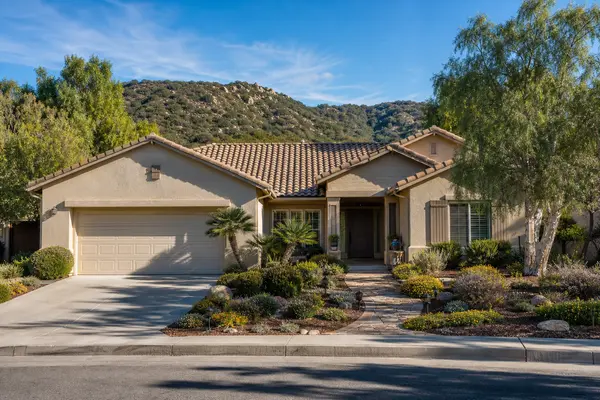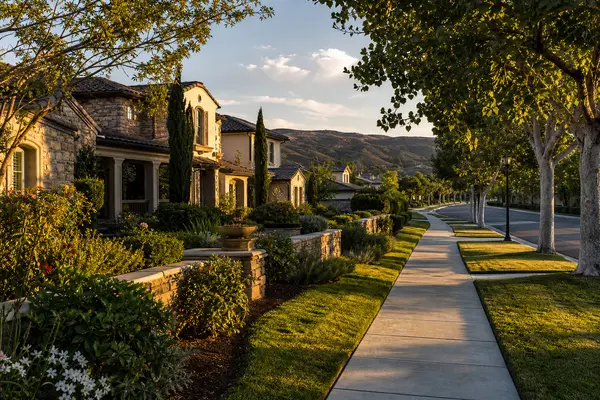
Temecula Wine Country Lifestyle: More Than Vineyards

Is Temecula's Wine Country a good place to actually live, not just visit?
Yes, and especially if you're over 55. Temecula's Wine Country delivers a full daily lifestyle: walkable vineyard scenery, serious dining, outdoor recreation, healthcare from a major academic medical network, and city-run senior programs, all within a short drive of most vineyard-area neighborhoods. The wineries are the backdrop, not the whole picture.
What the Wine Country Lifestyle Actually Looks Like Day to Day
Here's what I tell every client who asks me about Wine Country living: the vineyards are what draw you in, but the infrastructure is what keeps you here.
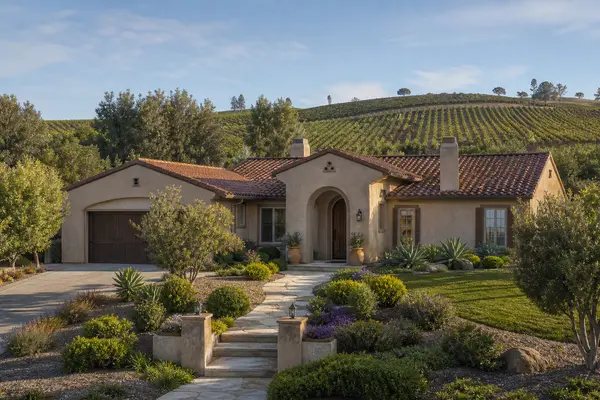
Temecula Valley is recognized as a distinct Southern California wine region with over 50 wineries producing Mediterranean-style, Rhône, and Bordeaux varietals. The region's first modern commercial vineyard was planted in 1968, and today it has evolved into a destination with resort lodging, event venues, and tasting rooms that draw visitors from across Southern California and beyond.
According to the most recent comprehensive tourism data, visitor spending in Temecula Valley exceeded $1 billion in 2023supporting over 7,000 local jobs. That economic base funds the kind of amenities, restaurants, spas, golf, entertainment, that make a place genuinely livable, not just scenic.
Dining: Old Town and Beyond
Old Town Temecula is a concentrated district of locally owned restaurants, wine bars, breweries, and boutique shops that most Wine Country residents use as their main dining hub. It's roughly 10–20 minutes from the core vineyard corridors along Rancho California Road and De Portola Road, depending on where you are and the time of day.
Weekday mornings and non-holiday periods are noticeably quieter on the Wine Country roads, a detail locals use to time their drives into town for dinner reservations or appointments. Weekend afternoons during peak season bring more visitor traffic, so planning around that rhythm becomes second nature quickly.
The Pechanga Resort Casino adds another layer: multiple full-service restaurants and entertainment venues that residents use regularly, not just for special occasions.
Recreation for Active Adults
Wine tasting is one activity among many. Here's what I see my clients actually doing on a regular basis once they're settled in Wine Country:
- Golf at Journey at Pechanga and nearby public courses
- Hot air balloon ridesa genuine local tradition, not just a tourist gimmick
- Horseback riding and guided trail rides through the vineyard hills
- Cycling routes through the estate corridors
- Spa resorts offering wellness programs within the Wine Country footprint
- Walking trails and parks operated by the City of Temecula Community Services Department
The city's Community Services Department also runs senior fitness classes, social clubs, and cultural programs out of central Temecula, easily accessible from most Wine Country neighborhoods. These aren't afterthoughts; they're organized, ongoing programs that give residents real social infrastructure.
The busiest tourism seasons run from spring through fall, with wine festivals, harvest celebrations, and hot air balloon events concentrated in those months. If you live here, you learn to enjoy the energy on weekends and reclaim the weekday calm. It's a rhythm that most of my Wine Country clients come to love.
Healthcare Access: Closer Than You'd Expect
This is one of the first questions I get from buyers over 55, and the answer is genuinely reassuring. UC San Diego Health operates a clinic and primary/specialty care location in Temecula, giving residents access to a major academic medical center's network without driving into San Diego for every appointment.
Temecula Valley Hospital and other medical facilities are generally within that same 10–20 minute drive window from most vineyard neighborhoods, using the Winchester Road and Temecula Parkway (CA-79) corridors. Everyday shopping, major grocery stores, pharmacies, big-box stores, sits along those same corridors.
That combination of academic medical access and practical everyday convenience is harder to find than people expect in a semi-rural setting. It's a real differentiator for Wine Country versus other scenic retirement destinations.
What Buyers and Sellers Need to Know About Wine Country Transactions
If you're considering buying or selling in Temecula's Wine Country, there are a few local transaction details that differ from standard suburban purchases. I walk every client through these before we get to the contract stage.
Property Characteristics That Affect the Process
Many Wine Country homes sit on private wells and septic systems rather than city sewer. That's not a dealbreaker, but it does mean your inspection period needs to include specialized well and septic inspections in addition to a standard home inspection. Buyers should budget time for those, and sellers should be prepared to disclose the condition of those systems upfront.
Under California Civil Code §1102 et seq.sellers of most 1–4 unit residential properties must provide a Transfer Disclosure Statement (TDS) disclosing known material facts and property conditions. In Wine Country, that often extends to well and septic status, proximity to agricultural operations (noise, pesticide use), and propane systems. Many Riverside County brokerages use farm and rural property disclosure addenda specifically for these situations.
California also requires a Natural Hazard Disclosure (NHD) for properties in specified hazard zones. Many Wine Country properties fall within Very High Fire Hazard Severity Zones as mapped by CAL FIREso that disclosure is a routine part of local transactions. Sellers who skip or understate these disclosures create real legal exposure, this is an area where working with an agent who knows the local forms matters.
The Closing Process in Riverside County
Here's a simplified look at how a Temecula Wine Country closing typically flows:
| Stage | What Happens | Wine Country Notes |
|---|---|---|
| Offer & Acceptance | Buyer and seller sign a CA purchase agreement | Cost allocations (transfer tax, escrow fees) are negotiated here, not set by law |
| Open Escrow | Title/escrow company receives agreement; buyer deposits earnest money | Same process as standard CA residential purchase |
| Title Search | Preliminary title report identifies liens, easements, recorded covenants | Agricultural easements and water rights may appear on rural parcels |
| Disclosures | Seller delivers TDS, NHD, and local addenda | Well, septic, propane, and right-to-farm disclosures common here |
| Inspections | Buyer's contingency period; results may trigger negotiation | Well and septic inspections are standard additions |
| Loan & Appraisal | Lender orders appraisal; title prepares lender's title insurance | Rural properties with acreage can require specialized appraisers |
| Signing & Funding | Parties sign; lender wires funds; deed records | Riverside County documentary transfer tax collected at recording |
On the transfer tax: Riverside County assesses a documentary transfer tax under California Revenue and Taxation Code §11911 at $0.55 per $500 of property value (or fraction thereof) when the deed records. Temecula does not currently levy a separate city transfer tax on top of that. The Riverside County Auditor-Controller administers the tax, but who pays it, buyer or seller, is determined by the purchase contract, not by statute. It's a negotiable item, and I always make sure my clients understand that before we write or accept an offer.
The California Land Title Association provides guidance on how title companies coordinate these transactions, including the preliminary title report, lender's title insurance, and the final recording process. For buyers financing a purchase, that coordination between your lender and the title/escrow company is what drives the closing timeline.
If you're relocating from out of state, the California closing process, with a neutral escrow company managing the transaction rather than a closing attorney, can feel unfamiliar. That's exactly the kind of thing I walk clients through before we even get to the offer stage. You can also explore the benefits of working with a buyer's agent in Riverside County for a fuller breakdown of how local representation works here.
And if you're a seller thinking about timing and preparation, I'd point you to how to prepare your home to sell for top dollar in TemeculaWine Country properties have specific features that need to be presented well to the right buyer pool.
One more thing on commissions: California law does not set real estate commission rates. All broker compensation is fully negotiable and set in your listing or buyer's representation agreement. If you want to understand what working with me looks like and what's involved, let's have that conversation directly, it's not something I'd reduce to a number on a blog post.
Frequently Asked Questions
Is Temecula's Wine Country a good place to live if I'm over 55 and want healthcare and restaurants, not just vineyards?
It genuinely is. UC San Diego Health operates a clinic and specialty care location in Temecula, and Temecula Valley Hospital is within 10–20 minutes of most vineyard neighborhoods. Old Town Temecula has dozens of locally owned restaurants and wine bars, and the City of Temecula runs senior fitness classes and social programs through its Community Services Department. The wineries are part of the backdrop, not the whole lifestyle.
What recreational activities besides wine tasting can I do in Temecula Wine Country?
Quite a bit. Residents regularly use golf courses including Journey at Pechanga, hot air balloon companies, guided horseback trail rides, spa resorts, and cycling routes through the vineyard corridors. The City of Temecula also operates parks, walking trails, and organized senior recreation programs. The tourism-driven infrastructure means there's more to do here than in most comparably sized semi-rural communities.
Are there 55+ or active adult communities near Temecula's Wine Country?
Formal age-restricted 55+ communities are more common in adjacent cities like Murrieta and Menifee, but many buyers over 55 choose Wine Country homes specifically because of the lifestyle, single-story layouts, lower-maintenance properties on acreage, and proximity to medical services. Whether you want an age-restricted community or a Wine Country estate, your options depend on your priorities, and that's worth a real conversation about what fits your situation.
How does the property transfer tax work when I buy or sell in Temecula Wine Country?
Riverside County collects a documentary transfer tax under California Revenue and Taxation Code §11911 at $0.55 per $500 of property value when the deed records. Temecula does not add a separate city transfer tax. Who pays, buyer or seller, is not set by law; it's negotiated in the purchase contract. Local custom often places it on the seller's side, but that is custom only and can be written either way in your agreement.
What does California's seller disclosure require for a Temecula Wine Country property?
Under California Civil Code §1102 et seq., sellers of most 1–4 unit residential properties must provide a Transfer Disclosure Statement (TDS) covering known material facts and property conditions. In Wine Country, that typically includes well and septic system status, propane systems, proximity to agricultural operations, and wildfire risk. A Natural Hazard Disclosure (NHD) is also required, and many Wine Country properties fall within Very High Fire Hazard Severity Zones under CAL FIRE's mapping. Riverside County brokerages commonly use farm and rural property addenda for these transactions.
How busy is Temecula's Wine Country year-round, and does tourism affect daily life?
The busiest periods run from spring through fall, with wine festivals, harvest events, and balloon festivals drawing regional visitors primarily on weekends. Weekday mornings and non-holiday periods are noticeably quieter on the core Wine Country corridors. Most residents adapt quickly to the rhythm, enjoying the energy when it's there and planning errands and appointments around the quieter windows.
Temecula's Wine Country is one of the most livable semi-rural settings in Southern California, and it's genuinely well-suited for buyers over 55 who want scenery, lifestyle, and real-world infrastructure in the same zip code. Whether you're exploring a move here or thinking about selling a Wine Country property, the details matter, and I know this market well.
Ready to explore what Wine Country living could look like for you? Schedule your complimentary consultation and let's talk through your goals, timeline, and the right neighborhoods for your situation.
Equal Housing Opportunity. Gabriela Cirby is licensed in California, Department of Real Estate. This article is general information only and does not constitute legal, tax, or financial advice. Confirm all costs, disclosures, and transaction details with your attorney, tax advisor, lender, or escrow/closing officer.
Categories
Recent Posts