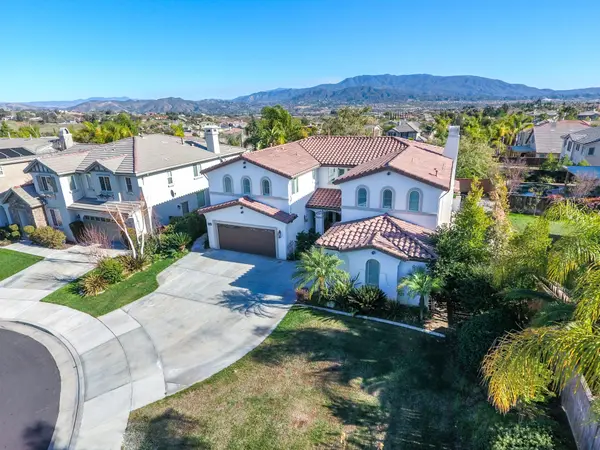
How to Compare a Temecula Offer When Multiple Buyers Bid

Don't start with the highest number. Line every offer up in one worksheet and check how likely each is to close, how much appraisal and contingency risk it carries, and whether its dates fit your move. The best offer is the one that gets you to the closing table on your terms.
How to Compare a Temecula Offer When Multiple Buyers Bid
How do you compare a Temecula offer when multiple buyers are interested?
Put every offer into the same worksheet and compare more than price: financing strength, earnest-money deposit, contingency periods, appraisal exposure, and possession timing. A slightly lower offer with documented funds, shorter contingencies, and dates that match your move can be safer than a higher one that leaves you exposed. Every Temecula offer when multiple buyers compete is really a bundle of terms, and the best bundle is the one most likely to close on a schedule you can live with.
Key Takeaways
- Recent local market data shows a median sale price of $740,000 for Temecula homes sold over roughly the last 90 days, but that area-level number says nothing about which offer on your home is most likely to close.
- Under the California Association of REALTORS® Residential Purchase Agreement, the investigation, appraisal, and loan contingencies generally default to 17 days, so compare the number of days each buyer proposes, not just whether a contingency exists.
- "Preapproved" is only a claim until you see current lender documentation, verified funds, and a clear down-payment source.
- A lower offer with less appraisal-gap risk can be financially stronger than a higher offer that depends on the appraisal coming in.
- Possession is a separate term from the close-of-escrow date, and any post-closing occupancy needs exact dates and responsibilities in writing.
Why does Temecula's market make offer comparison more than a price check?
Because homes here can move quickly, you may have a short window to read several offers carefully, and a missed term can cost you more than a small price difference. Recent local market data covering the last ~90 days shows 326 homes sold at a median sale price of $740,000. Those homes went under contract a median of 16 days after listing. Homes for sale now number about 490, with 139 new listings in the last 30 days.
Those are area-level figures. Your home's value depends on its condition, street, build year, and timing, and a local market analysis is how we turn the area numbers into your number.
Reading each Temecula offer when multiple buyers are involved is a risk exercise, not a price contest. I walk my clients through it the same way every time: what is this buyer promising, what proof backs it up, and what happens to my seller if one piece falls through?
What should I compare besides price in each offer?
Compare financing, deposit, contingencies, appraisal exposure, requested credits, and dates, each in its own column. Here is the worksheet structure I use with sellers.
| Term | What to check | Why it matters |
|---|---|---|
| Purchase price | The number, plus any requested credits or repairs | The headline price and what you actually receive can differ |
| Financing | Loan type, cash down payment, lender preapproval status, proof of funds | Shows whether the buyer can actually perform |
| Earnest money | Amount, deposit deadline, who holds it, release conditions | Security for performance, but not automatically forfeited if a deal fails |
| Contingencies | Investigation, appraisal, and loan periods, in days | Each deadline is a window where the contract gives the buyer options |
| Appraisal exposure | Whether the buyer can cover a shortfall and how the offer words it | A low appraisal can force extra cash or a renegotiation |
| Inclusions and taxes | Requested personal property, and who pays any property transfer tax | Both are negotiable terms that change your outcome |
| Timing | Close-of-escrow date, possession date and time, post-closing occupancy request | Drives your move, temporary housing, and replacement purchase |
How strong is the buyer's financing?
Financing strength is broader than the price offered. A buyer who writes "preapproved" is making a statement. A buyer who attaches current lender documentation, verified liquid funds, and a clear source for the down payment, with a lender who has reviewed the file, is showing you something. Even then, documents reduce uncertainty without eliminating financing or appraisal risk. If you want to see what a real pre-approval involves, I explain it in my post on pre-approval before house hunting in Temecula.
For a cash offer, confirm the evidence of funds covers the purchase and the identified closing obligations. For a financed offer, look at the relationship between the loan amount, the down payment, and the buyer's ability to bring more cash if the valuation comes in low.
What does the earnest-money deposit really tell you?
It tells you the buyer has put money behind the contract, but its real value depends on the contract's terms. A deposit is security for performance, and it is not automatically forfeited just because a transaction fails. The outcome turns on the contingency provisions, notices, deadlines, and the circumstances of the cancellation. So compare the amount, the deposit deadline, the holder, and the release conditions separately from the price.
How do contingency periods change the comparison?
Count the days and read the protection, not just the label. Under the California Association of REALTORS® Residential Purchase Agreement, the investigation, appraisal, and loan contingencies are generally 17 days unless the contract specifies other periods or the parties modify them. Your agent should confirm the form in use, because the written agreement and any addendum control.
A shorter contingency period shortens your waiting. Removing one entirely shifts risk to the buyer, which can be reassuring or can be a sign the buyer is stretching. What matters is the specific protection offered, the deadline, and whether the buyer has shown the ability to perform.
What is appraisal exposure, and who carries it?
If the appraisal comes in below the contract price, the buyer may need to bring additional cash, renegotiate, or rely on an appraisal contingency, depending on what the offer says. That is why a higher offer is not always the stronger one. A buyer with documented funds set aside to cover a shortfall carries less risk for you than one who is already stretched at the higher price. This is a contract-risk comparison, not a guaranteed outcome, so read the exact wording of any appraisal-gap language.
When will the buyer take possession?
Possession is separate from the close-of-escrow date. An offer should say whether possession is delivered at recording, after you move out, or under a post-closing occupancy arrangement. If you need extra time, any rent, deposit, insurance, and holdover terms should be written down with exact dates and responsibilities. Possession terms affect your moving plan, temporary housing, and any replacement home you are buying, so they belong in the comparison from the start.
How do I choose between two strong offers?
Rank the offers by how likely each is to close and how well it fits your plan, then weigh the price difference against the risk and delay each one adds. I don't have a default winner. Sometimes the higher offer is the right call, and sometimes the cleaner one is, depending on your goals, finances, and timing.
- Build one worksheet. Use the columns in the table above so every offer is read the same way.
- Verify instead of assuming. Ask for the lender documentation and proof of funds, and look at whether the funds cover a possible appraisal shortfall.
- Locate the risk. Ask whether it sits in the loan, the appraisal, the contingency period, or the deposit.
- Match the dates to your plan. If you are buying your next home, a close date or possession date that doesn't line up can cost you more than a modest price gap.
- Check what you would actually receive. Credits, repair requests, and personal-property inclusions all change your result. My post on the cost to sell a house in Temecula explains the categories of costs, and I can build your personal net sheet with you.
- Respond in writing. Decide which terms you can accept and which you want changed, then answer each buyer through the agents involved.
Picture a higher offer with a long loan contingency, thin documentation, no appraisal protection, and a close date that leaves you without a place to land. Next to it, picture a slightly lower offer with documented funds, shorter periods, and dates that fit your move. On paper the first one wins, and in practice the second one is often the safer sale.
My team at Cirby Group and I work with sellers across Temecula, Murrieta, Menifee, Wildomar, Winchester, Hemet, San Jacinto, Lake Elsinore, and Corona, and the same side-by-side comparison applies in each. Every situation is different, and the only way to know which offer is best for you is to run the terms with someone who knows this market.
If you'd like to see how past clients felt about working with me, you can read my reviews on Google and Zillow.
FAQ
How do I compare two Temecula offers when one has a higher price but more contingencies?
Compare how likely each is to close, not just the price. Look at the number of days on each contingency, the buyer's proof of funds, and whether the higher offer depends on an appraisal that could come in low. A higher price with several open contingencies can be worth less than a lower, cleaner offer, but your timeline and goals decide the answer.
Is an all-cash offer always better than a financed offer?
No. A cash offer removes the loan and appraisal questions only if the buyer can prove funds sufficient for the purchase and closing obligations. A well-documented financed offer with a strong down payment and appraisal protection can be a comparable risk, so check the evidence behind each.
What does an appraisal-gap waiver mean for a Temecula home seller?
It generally means the buyer is committing in writing to cover some or all of a shortfall if the appraisal is below the contract price. How much it protects you depends on the exact wording and on whether the buyer has documented funds to back it up. Read it with your agent before treating it as a guarantee.
How should possession and the move-out date affect which offer I choose?
They should carry real weight if you are buying a replacement home or need temporary housing. Possession is a separate term from close of escrow, so compare the possession date and time and any post-closing occupancy request. Anything beyond standard possession should have dates, rent, deposit, insurance, and holdover terms in writing.
Who pays the property transfer tax in a Temecula home sale?
It is a negotiable contract term, so confirm who is proposing to pay it in each offer. Riverside County publishes a documentary transfer tax rate of $0.55 per $500, or fractional portion, of taxable value for conveyances outside the City of Riverside, collected at recording, as shown on the Riverside County Assessor-County Clerk-Recorder recording requirements page. Your title company can confirm how it applies to your sale.
Which offer is right for you?
The core takeaway: price is one column in a bigger comparison. When you have a Temecula offer when multiple buyers are competing, the best choice is the one with solid financing, manageable risk, and dates that fit your plans. I'll build the worksheet with you, check the details behind each term, and help you respond with confidence. Schedule your complimentary consultation and we'll go through your offers together.
Equal Housing Opportunity. Gabriela Cirby, Licensed in California, Lic 0915458 | Real Broker Lic 02022092, regulated by the California Department of Real Estate. This article is general information, not legal, tax, or financial advice; confirm your own numbers with your title company, tax advisor, or lender. Consent not required to make a purchase. Reply STOP to opt-out of texts or HELP for assistance.
Categories
Recent Posts